2026, October 8
Love Your Eyes: Good Vision Should Never Be Taken for Granted
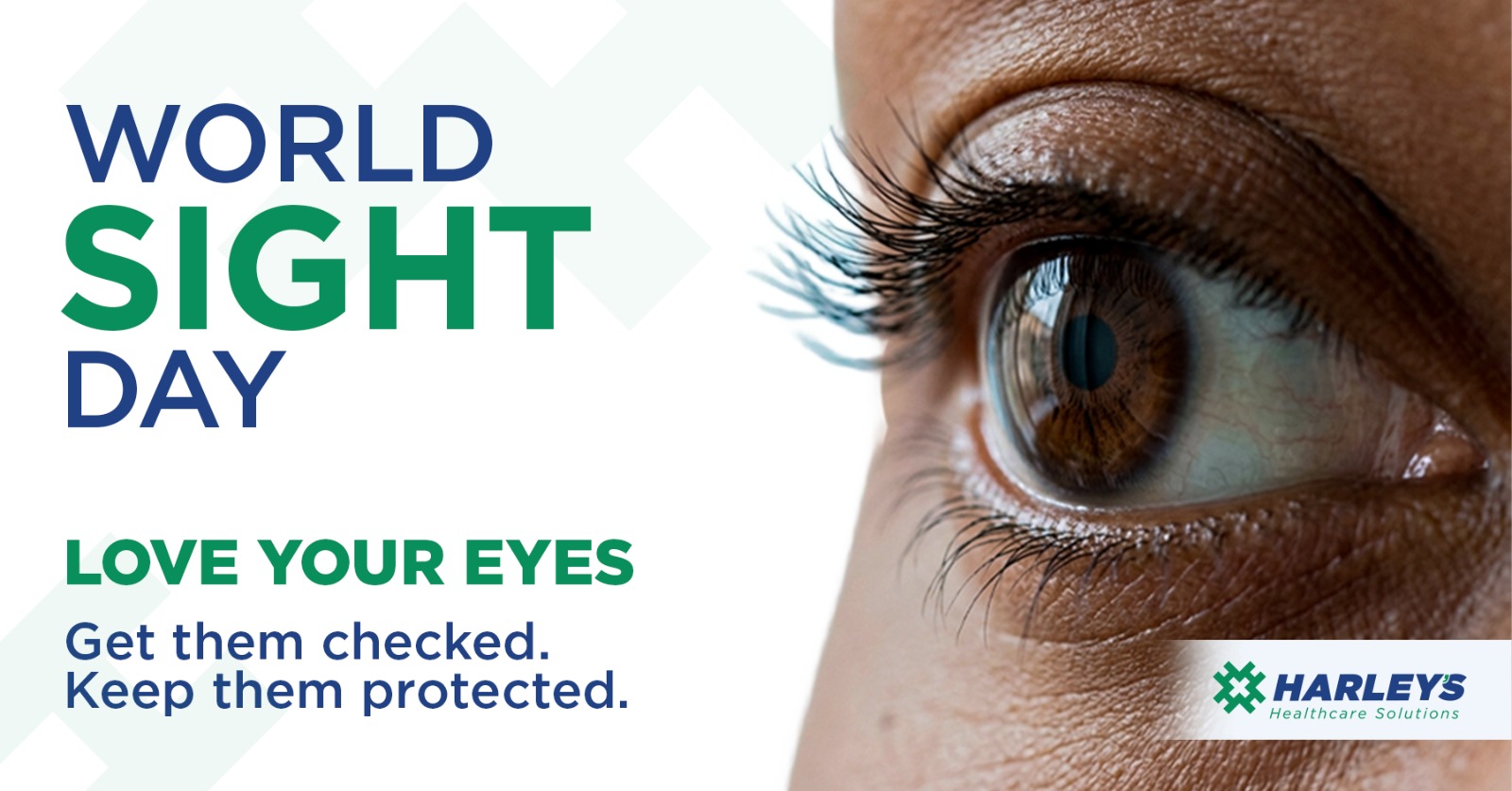
We often think about our eyes only when something feels wrong. A blurred screen after a long day, tired eyes after hours at work, difficulty seeing at night or the need to hold something a little further away can easily be dismissed as part of everyday life. But our eyes deserve more attention than that.
This World Sight Day, the message is simple: Love Your Eyes.
Loving your eyes means making eye health part of your overall health, rather than waiting for a problem to arise before seeking help. Globally, more than one billion people live with a vision impairment that could have been prevented or remains unaddressed. For many, timely access to eye care and early detection could make a meaningful difference.
One of the simplest ways to love your eyes is to have them checked regularly. A comprehensive eye examination does more than determine whether you need glasses. An eye care professional can assess different aspects of your vision and eye health through examinations such as visual acuity testing, retinoscopy, intraocular pressure measurement and slit-lamp examination. Where necessary, additional tests such as visual field analysis or Optical Coherence Tomography (OCT) may provide a more detailed assessment.
For healthy adults, a comprehensive eye examination at least once every two years is generally recommended, while children should have their eyes checked annually. People living with conditions such as diabetes or high blood pressure may require more frequent monitoring, as these conditions can affect eye health. And importantly, you do not need to wait for your next scheduled check-up if you notice changes in your vision. Symptoms such as blurred vision, eye strain, difficulty seeing at night, flashes, floaters or other unusual changes should be assessed by an eye care professional.
But loving your eyes does not stop at the eye clinic.
Our daily choices matter too. Many of us spend long hours looking at phones and computers, working in environments where our eyes may be exposed to dust, chemicals or other hazards, or simply overlook the importance of protecting our vision. Taking regular breaks from screens, using appropriate protective eyewear when carrying out risky tasks, eating a balanced diet rich in essential vitamins and nutrients, and managing conditions such as diabetes and high blood pressure are all part of protecting our eyes for the long term.
Perhaps the most important question this World Sight Day is not whether we value our eyesight. Most of us do. The question is whether our everyday actions reflect that value.
When was your last eye check-up?
If you cannot remember, that may be your reminder to book one.
Eye health is a shared responsibility. Individuals have a role to play by seeking care and protecting their eyes. Eye care professionals help us detect and manage problems early. Healthcare providers, suppliers, government and organisations all have a role in improving awareness, access and quality of care.
Good vision helps us learn, work, connect with others and experience the world around us. It is easy to take that for granted, until our vision changes.
This World Sight Day, let us make eye health a priority, not an afterthought.
Love your eyes. Get them checked. Protect them. And encourage someone else to do the same.
#WorldSightDay #LoveYourEyes
 Back to Blog