2026, September 13
World Sepsis Day: When a Wound Becomes More Than a Wound
A wound can look like a small problem.
A cut, a surgical wound, a pressure sore or a diabetic foot ulcer may seem like something that simply needs time, dressing and patience to heal. Often, that is exactly what happens.
But sometimes, it does not.
When a wound becomes infected, what starts locally can quickly become something much more serious. An infection can spread through the body and, in some cases, trigger sepsis, a life-threatening response to infection that can damage vital organs.
That is why this World Sepsis Day, the conversation around sepsis must also include something we encounter every day: wound care.
The warning signs we should not ignore
Wounds do not always announce that something is going wrong.
Sometimes the signs are subtle. A wound that is taking longer than expected to heal, increasing pain or redness that does not seem to settle. Other times, there may be swelling, warmth or an unusual discharge or smell.
These changes may be easy to dismiss, particularly when a person expects some discomfort during the healing process. But they can also be signs that an infection is developing.
And when an infection begins to affect the whole body, the situation can become much more urgent. Fever, confusion, rapid breathing, a racing heart or extreme weakness are among the warning signs that require immediate medical attention.
The difference between recognising these signs early and waiting too long can be significant.
Sepsis does not always begin with a dramatic event. Sometimes, it starts with an infection that seemed manageable.
Prevention starts long before an emergency
Good wound care may not always receive the attention it deserves, yet the basics matter.
Clean hands. Appropriate wound cleaning. Timely dressing changes. Following professional advice. Watching for changes rather than assuming that every wound will heal on its own.
These may sound like simple steps, but they can play an important role in keeping an infection from taking hold.
For people living with diabetes, poor circulation or other conditions that can affect healing, the need for careful wound management becomes even more important. Nutrition and hydration also have a role to play, giving the body the support it needs to repair damaged tissue and fight infection.
Better tools, but no substitute for awareness
Wound care has come a long way. Today, healthcare professionals have access to advanced solutions, including antimicrobial dressings and negative pressure wound therapy, alongside evidence-based approaches to managing complex wounds.
These advances can make a real difference.
But even the best technology cannot replace awareness.
A dressing cannot recognise that a wound is getting worse. A treatment cannot replace the decision to seek help. And no intervention can be more valuable than acting at the right time.
Early recognition remains one of the most powerful tools we have.
Everyone has a role to play
The fight against sepsis is not limited to hospitals or healthcare professionals.
Patients need to know when a wound is not healing as expected. Caregivers need to feel confident recognising changes and raising concerns. Healthcare professionals need to act promptly when infection is suspected.
It is a shared responsibility—and one that starts with paying attention.
This World Sepsis Day, the message is therefore bigger than sepsis alone. It is a reminder that seemingly small health concerns deserve attention before they become bigger ones.
A wound is not just a break in the skin. It is a reminder that the body is vulnerable, and that healing requires care.
Because sometimes, the earlier we notice a problem, the more we can do to change its outcome.
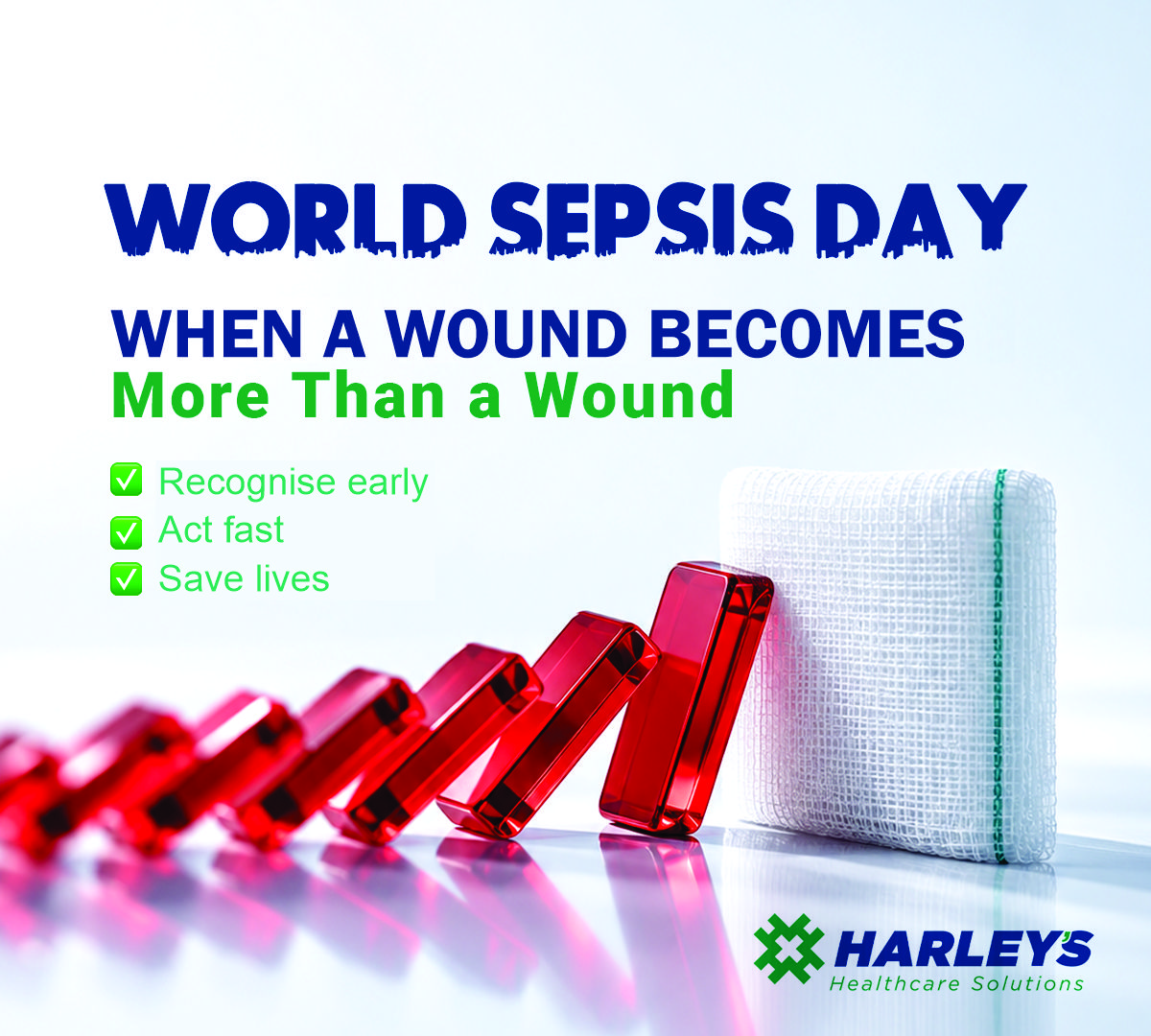
Recognise infection early. Act quickly. Save lives.
 Back to Blog